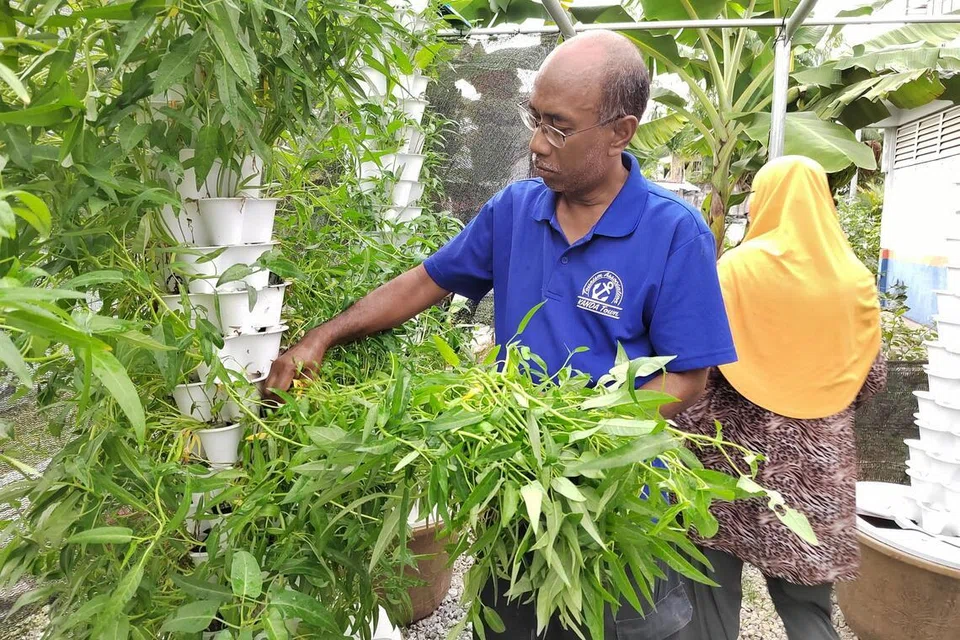
KUALA LUMPUR – For some, the war in the Middle East may feel far away. But for Mr Latiff Abu Hassan, a community leader and seed supplier, the conflict has already landed in his garden.
Over the past few weeks, the 55-year-old has been spending mornings scouring fertiliser shops across the Klang Valley, comparing prices that shift with the volatility of crude oil. His goal is to keep his housing estate’s five community plots running despite rising costs.
A standard 25kg bag of nitrogen-based fertiliser, enough to last about a month, is currently priced at RM305 (S$99). It is projected to hit RM350 after the Hari Raya festivities.
“I heard about the hike last week and the supplier confirmed it today. We are using savings to stockpile. The Iran war may be far away but it now feels closer to home,” he told The Straits Times on March 17.
Tensions in the Middle East have risen sharply following the US-Israeli strike on Iran at the end of February, which has triggered retaliatory attacks across the region and raised fears of a wider conflict. This has pushed global oil prices higher and threatened key shipping routes linking Asia with Europe.
What is happening on Mr Latiff’s farm reflects a broader concern.
Even as Malaysian officials stress that food supplies and the economy remain stable, the expanding Iran conflict is pressuring policymakers to assess risks to energy prices and multiplesupply chains, ranging from kitchen staples such as onions and chillies to crop fertilisers and animal feed, raising costs across the entire food chain.
Meetings in Putrajaya, Malaysia’s administrative capital, intensified as the situation in the Middle East escalated, with senior officials, including seven ministers, holding daily sessions in the week leading up to the Cabinet meeting on March 11, to assess developments linked to the crisis and align the national response.
Oversight has since shifted to the National Economic Action Council. Prime Minister Anwar Ibrahim on March 16 said the council will hold weekly discussions involving greater participation from industry players.
Reference : Iran war squeezes Malaysia’s food security | The Straits Times